ICT Minister Witnesses Strategic Partnership between Vodafone Business, Elsewedy Electric, Cassava Technologies to Develop $1 Billion Data Center
Thursday 10 September 2026 06:21 - الخميس ٢٨ ربيع الأوّل ١٤٤٨
By ; Bakinam Khaled
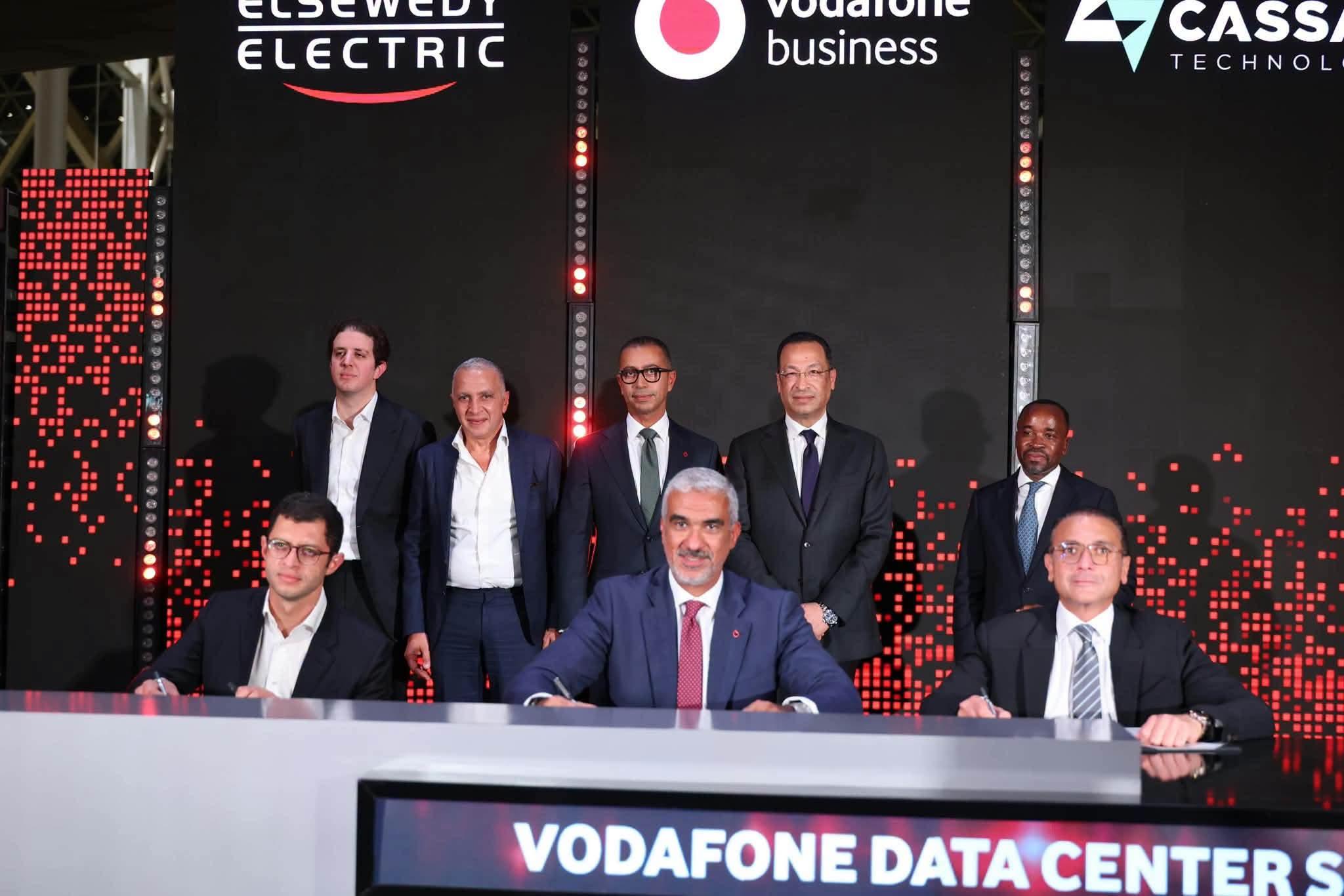
Minister of Communications and Information Technology Raafat Hendy has witnessed the signing and launch of new strategic partnerships between Vodafone Business, Elsewedy Electric, and Cassava Technologies, with the aim of establishing Africa Data Centres Egypt, a project for developing one of Egypt’s largest data centers, as well as the country’s first sovereign AI data center.
The partnerships represent an important step toward strengthening Egypt’s digital infrastructure, supporting the local development of advanced technologies, and expanding the country’s capacity to host and process data locally. They will also reinforce Egypt’s position as a regional hub for data, cloud services, and artificial intelligence (AI).
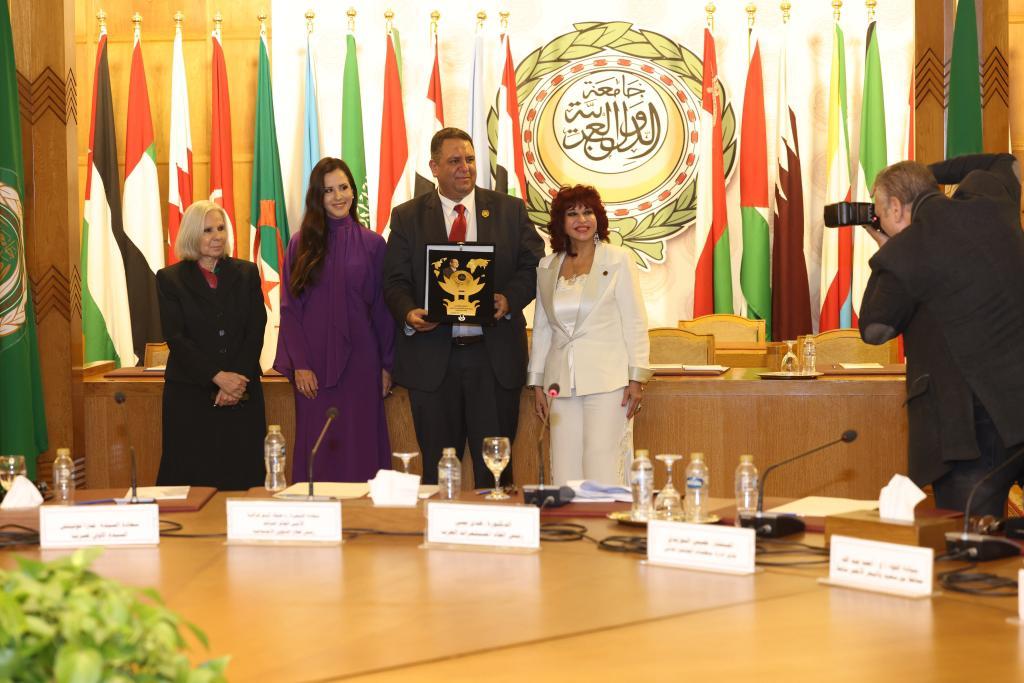
The signing ceremony was attended by Former ICT Minister Hany Mahmoud, Executive President of the National Telecom Regulatory Authority (NTRA) Mohamed Shamroukh, CEO of the Information Technology Industry Development Agency (ITIDA) Ahmed Elzaher, senior officials from the Ministry of Communications and Information Technologies (MCIT), NTRA, and ITIDA, along with senior executives from partner companies and institutions.
As part of the partnership, the three companies will establish Africa Data Centres Egypt, a world-class data center built to the latest international standards and set to rank among the largest in Egypt. The project brings together Vodafone Business’s global expertise in cloud and enterprise services, Elsewedy Electric’s capabilities in infrastructure, energy, and project delivery, and Cassava Technologies’ extensive expertise in data centers across Africa.
The project will initially bring 20 megawatts of capacity online over its first three years and is designed to scale to 200 megawatts. This will give major enterprises, cloud service providers, and global companies the infrastructure they need to establish and expand their presence in Egypt. Phase One is expected to attract about $200 million in foreign direct investment, with total investment projected to reach $1 billion once the project reaches its full planned capacity. The project is also expected to create up to 200 direct jobs and around 2,000 indirect jobs, with Egyptian talent playing a central role in building, operating, and managing the data center.
The strategic partnership between Vodafone Business and Cassava Technologies also includes the development of advanced sovereign AI infrastructure in Egypt. This will include launching a first-of-its-kind data center in the country to support advanced AI applications and use cases, alongside access to advanced computing capabilities and NVIDIA technologies. Together, these capabilities will support the development and deployment of AI applications at scale, while ensuring that data is hosted and processed within Egypt.
The ICT Minister emphasized that the establishment of new data centers in Egypt reflects the rapid growth of the country’s ICT sector and underscores the private sector’s growing confidence in the opportunities offered by Egypt’s digital economy. He explained that these partnerships demonstrate a broader shift in technology investment—from providing digital services to building the advanced digital infrastructure and capabilities that will underpin tomorrow’s economies. They also represent an important step in the broader effort to build a competitive national digital ecosystem, reinforcing Egypt’s position as a regional hub for data exchange, computing, and AI.
Hendy highlighted MCIT’s growing focus on expanding data center capacity in Egypt and enhancing its capabilities. MCIT is currently developing a comprehensive national strategy for data centers, designed to identify the storage and computing capacity needs of the country and its various economic sectors over the coming years and establish a clear roadmap for meeting those needs.
The strategy will also introduce competitive investment packages and programs to attract both domestic and foreign investors, alongside a review and update of the regulatory and legislative framework to create a more conducive business environment and stimulate investment in advanced data centers that comply with international standards.
In addition, the strategy aims to improve operational efficiency and sustainability, accelerate digital transformation, and develop specialized Egyptian expertise in building, managing, and running data centers. It will also strengthen digital sovereignty by providing national infrastructure that enables critical data and applications to be hosted securely and reliably, in accordance with national laws, regulations, and data protection requirements.
The ICT Minister added that Egypt has significant strengths in this area, foremost among them its geographic location and extensive network of international submarine cables. He highlighted MCIT’s ongoing efforts to capitalize on these advantages and convert them into tangible economic value by expanding Egypt’s capacity to host and process data, attracting cloud service providers and global tech companies, and delivering digital services to local, regional, and international markets, while adhering to digital sovereignty requirements.
Hendy explained that the goals of digital sovereignty do not mean isolation. Instead, they mean that the country can remain open to technology, investment, and international partnerships while maintaining strong infrastructure, national capabilities, and clear frameworks for protecting its data and securing critical services. He added that MCIT continues to support investments that add new capabilities to Egypt’s digital infrastructure, build national skills, strengthen digital security and sovereignty, and enhance the country’s position in the global economy shaped by data, knowledge, and AI.
For his part, CEO of Vodafone Egypt and Vodacom International Markets Mohamed Abdallah said that these partnerships reflect Vodafone’s commitment to its role as a long-term tech partner in supporting Egypt’s digital transformation and turning its investments into tangible drivers of economic development. He noted that by developing digital infrastructure, supporting AI applications, and empowering critical sectors, Vodafone is helping attract further investment, create jobs, and grow digital exports.
As cloud services and AI continue to expand rapidly, Abdallah added, countries’ ability to host and process data locally has become a key factor in enhancing their competitiveness. He emphasized that Egypt has a significant opportunity to further strengthen its position as a regional hub for data and technology, particularly since Africa currently accounts for less than 1% of global data center capacity.
In this context, President and CEO of Elsewedy Electric Ahmed Elsewedy explained that the Africa Data Centres Egypt project brings together the company’s expertise in energy, infrastructure, and major project delivery with the complementary expertise of its partners in data centers and technology. The partnership is intended to develop a project that can meet the needs of the Egyptian market while attracting global companies to operate from Egypt
President and CEO of Cassava Technologies Hardy Pemhiwa said that Egypt is a strategic and pivotal market in the company’s vision for advancing digital infrastructure across Africa and the Middle East. He explained that the partnership with Vodafone Business and Elsewedy Electric is focused on developing resilient, scalable data center infrastructure built to the highest international standards, helping enterprises, cloud service providers, and tech companies grow while attracting great global investment to Egypt.
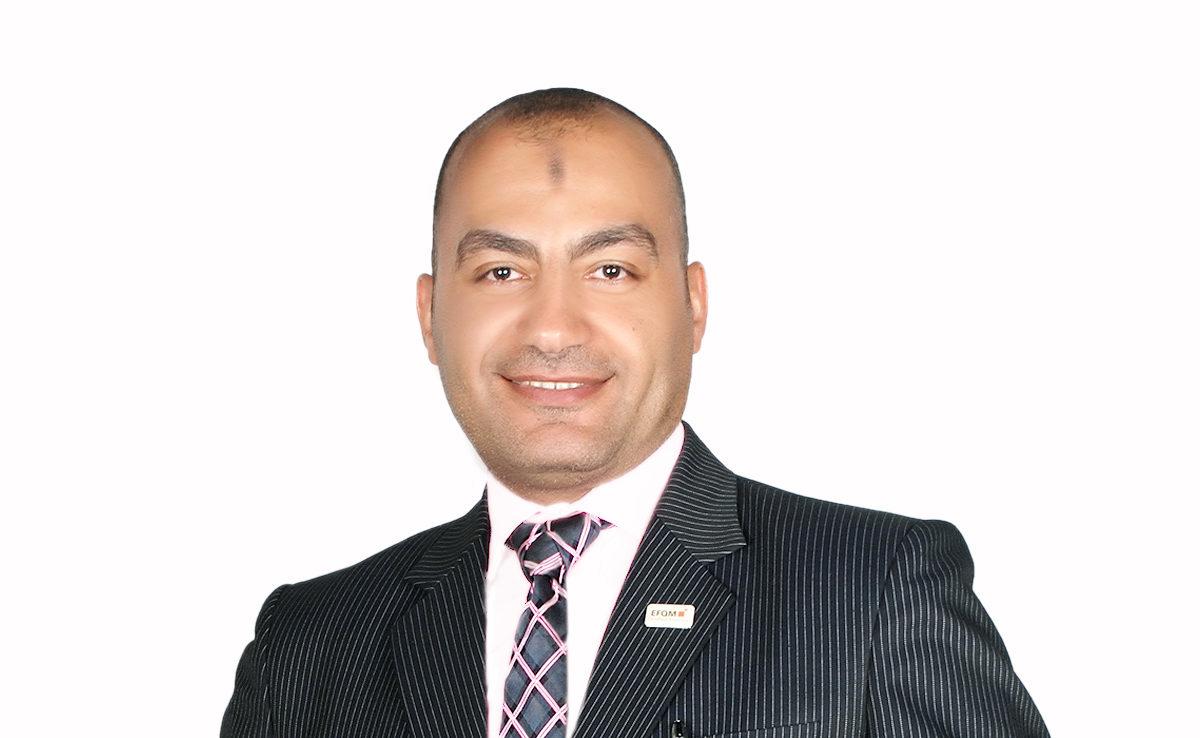
In this regard, Vodafone Business Director Mahmoud ElKhateeb said that the company’s strategy is centered on leveraging its global expertise and technology partnerships to bring cutting-edge solutions and technologies to Egypt, helping drive the continued growth of the country’s digital economy. He added that the establishment of Africa Data Centres Egypt reflects this strategy through the development of the country’s largest data center, combining global expertise with local capabilities to deliver scalable digital infrastructure that meets international standards.
ElKhateeb explained that the strategy is further supported by the launch of Egypt’s first sovereign AI data center in partnership with Cassava Technologies, providing local access to GPU-as-a-Service (GPUaaS) capabilities. This will enable organizations to develop and operate AI applications at scale while keeping data within Egypt, ensuring compliance with regulatory requirements and strengthening cybersecurity as well as data governance and protection. These efforts will accelerate the adoption of advanced technologies, contribute to the growth of the digital economy, and create new jobs in technology and innovation.
Executive Vice President at Cassava Technologies Ahmed El Beheiry highlighted the partnership with Vodafone Business as an important milestone in expanding access to advanced computing and GPUaaS capabilities in Egypt. He explained that the partnership will enable organizations to develop and operate AI applications at scale while preserving data sovereignty, further enhancing Egypt’s position as a regional hub for AI and innovation serving Africa and the Middle East.
These projects come at a time of rapidly rising demand for cloud services and AI applications, which in turn is driving the need for greater data hosting and processing capacity and advanced computing infrastructure. This will enhance the Egyptian economy’s readiness to adopt emerging technologies and strengthen Egypt’s regional and international competitiveness.