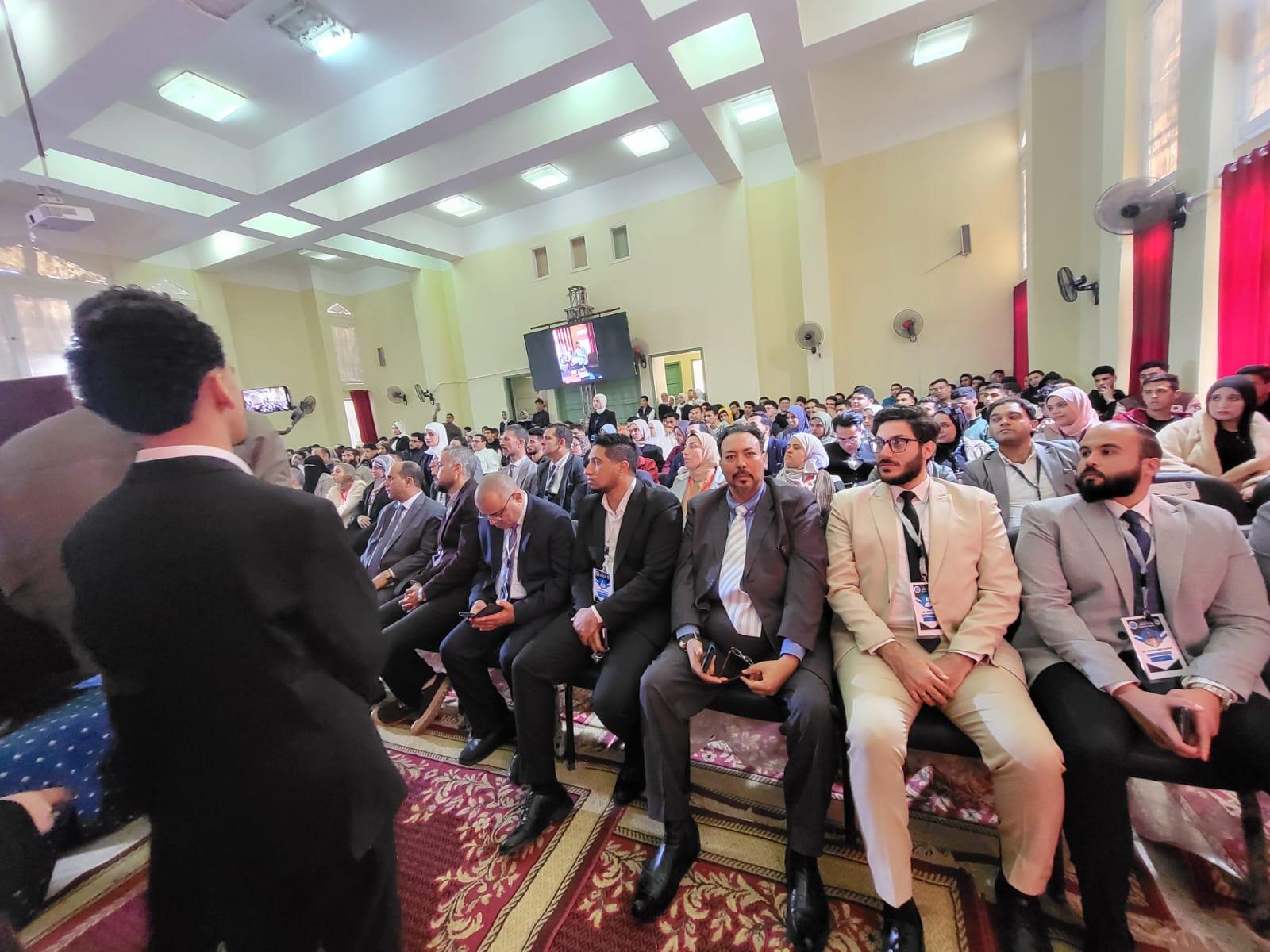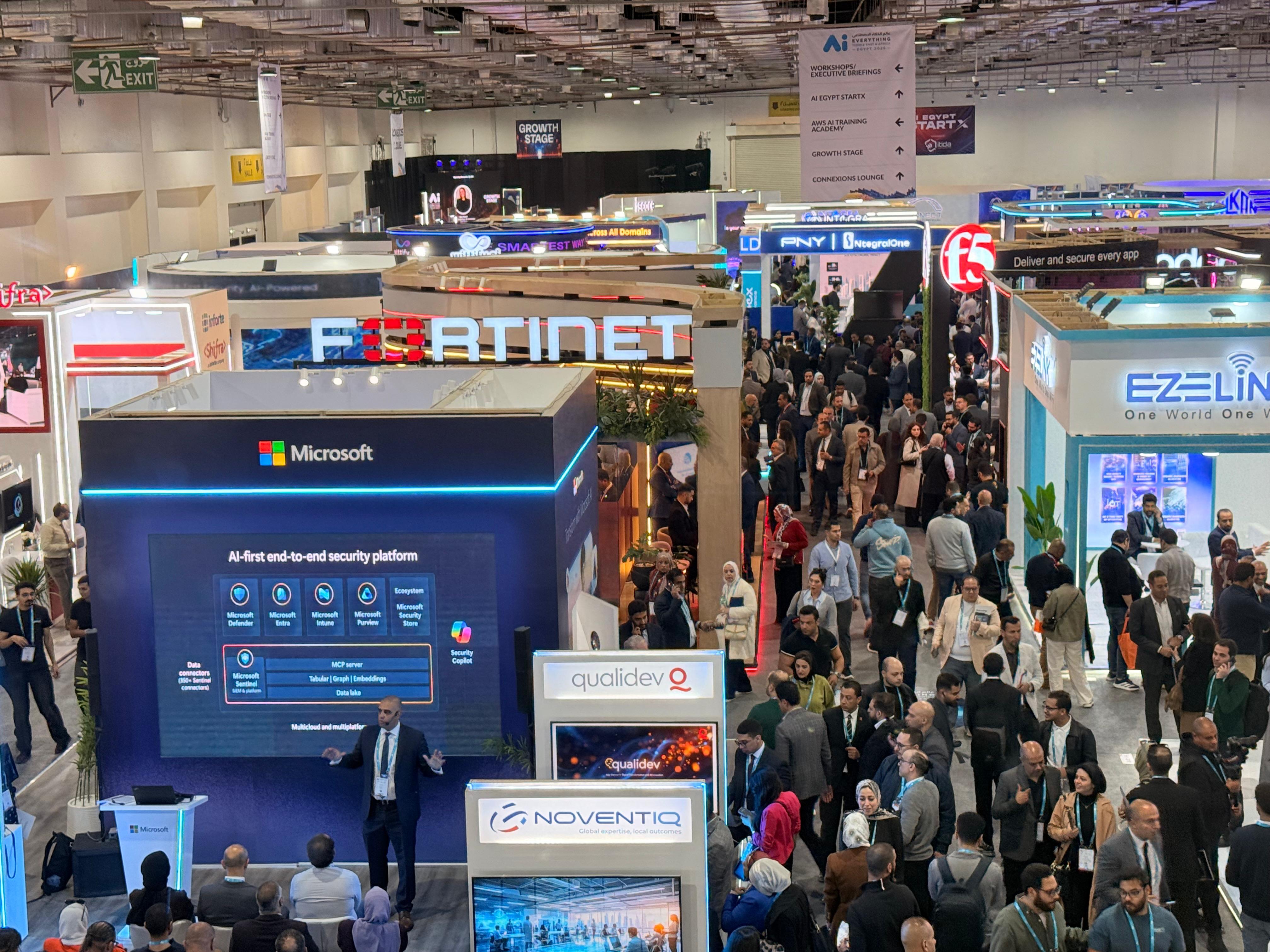
Ai Everything Middle East & Africa (MEA) Egypt opened today to capacity crowds and high engagement, bringing together 350+ AI enterprises and startups from 30+ countries, alongside 100+ global and regional investors, policymakers, and technology leaders influencing the next phase of artificial intelligence.
Hosted under the Patronage of President of the Arab Republic of Egypt, H.E. Abdel Fattah El-Sisi, the opening day set a clear and substantive focus on sovereign AI and national-scale infrastructure as systems spanning data control, compute architecture, energy efficiency, governance, and human trust.
Across the show floor and conference stages, discussions reflected a shared reality - AI is rapidly becoming core national infrastructure, comparable in importance to telecoms, healthcare, and financial systems. The opening day positioned Cairo as a convergence of strategic influence for governments and enterprises navigating that shift across the Middle East and Africa.
Global Leaders Debate the Foundations of Sovereign AI
The Sovereign AI Summit anchored incisive conversations, bringing together chief AI scientists, ministers, and industry leaders to examine what it takes to build, operate, and sustain AI systems on a national scale.
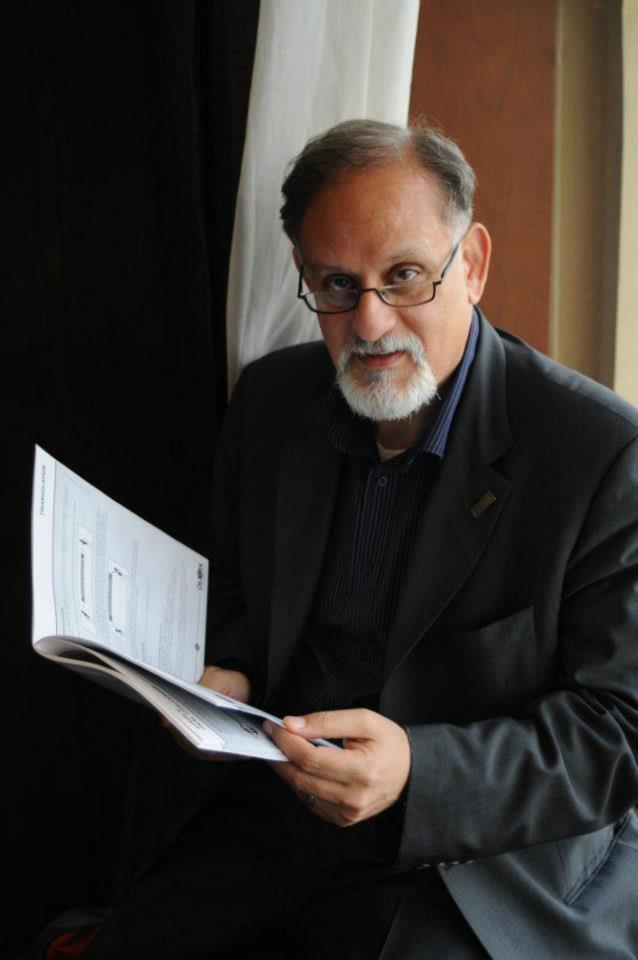
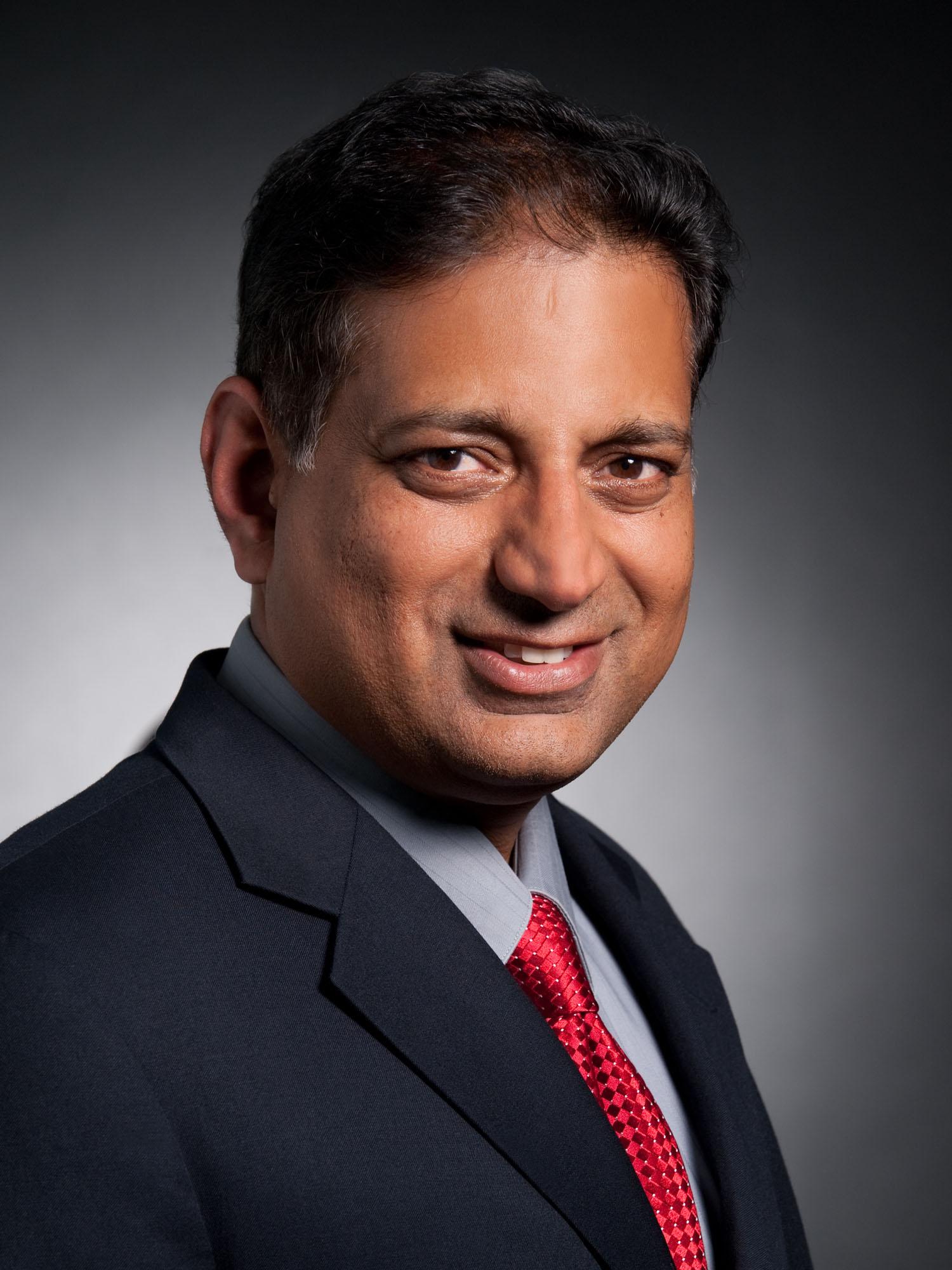
Ruchir Puri, Chief Scientist and Vice President at IBM, opened one of the most closely followed sessions, unpacking the realities behind building sovereign AI — from questions on ownership of data to the compute and AI architectures that determine long-term growth. Ruchir shared: “You can partner or rely on others for infrastructure capabilities, on-premises or in the cloud. But sovereignty comes from knowing what applications are running, whether they are compliant, and whether data is secure. Data is one of the most critical and underappreciated aspects; data is the sovereign core.”
Puri also discussed over-scaling by default, noting that many national and public-sector use cases are better served by smaller, more efficient models - particularly as energy demand and operating costs become central to AI planning.
That systems-level view was echoed in a high-level government panel titled “AI sovereignty in a fragmented world”, examining how nations are advancing AI under different political, security and infrastructure conditions. H.E. Oumouri M’Madi Hassane, Minister of Post, Telecommunications & Digital Economy Transparency of Comoros; H.E. Huda Alwahidi, Deputy Minister Ministry of Telecommunication & Digital Economy of Palestine; and H.E. Dr. Abdul Aziz AlMalik, Deputy Minister for Research & Innovation, Saudi Arabia’s Ministry of Environment, Water & Agriculture discussed how AI can expand state capacity, but also raise questions on responsible deployment, governance and ethics.
Human-Centric AI: Responsibility at National Scale
Questions of trust and responsibility moved to the forefront in a session with Margaret Mitchell, Chief Ethics Scientist at Hugging Face, one of the world’s most influential open-source AI platforms. Mitchell challenged the assumption that AI systems can simply be “aligned” to universal human values, arguing that many large-scale models are built as general-purpose tools that fail to reflect local context, priorities, and cultural nuance. Margaret noted: “We talk about aligning AI systems to global human values, but what's happening is this sort of blunt instrument that's not reflective of individual values and priorities.”
Cross-Sector AI Use Cases Across the Show Floor
On the exhibition floor, global and regional leaders showcased AI solutions already moving into real-world deployment. At the centre of the show, telecom leader e& drew crowds with AI systems designed for real-world deployment — from human-like AI interactions and intelligent health insights to unified platforms connecting education, sports, and business intelligence into a single AI-driven hub.
Cisco highlighted secure AI infrastructure, observability and edge intelligence, while Microsoft demonstrated how AI is already driving transformation across governments and industries.
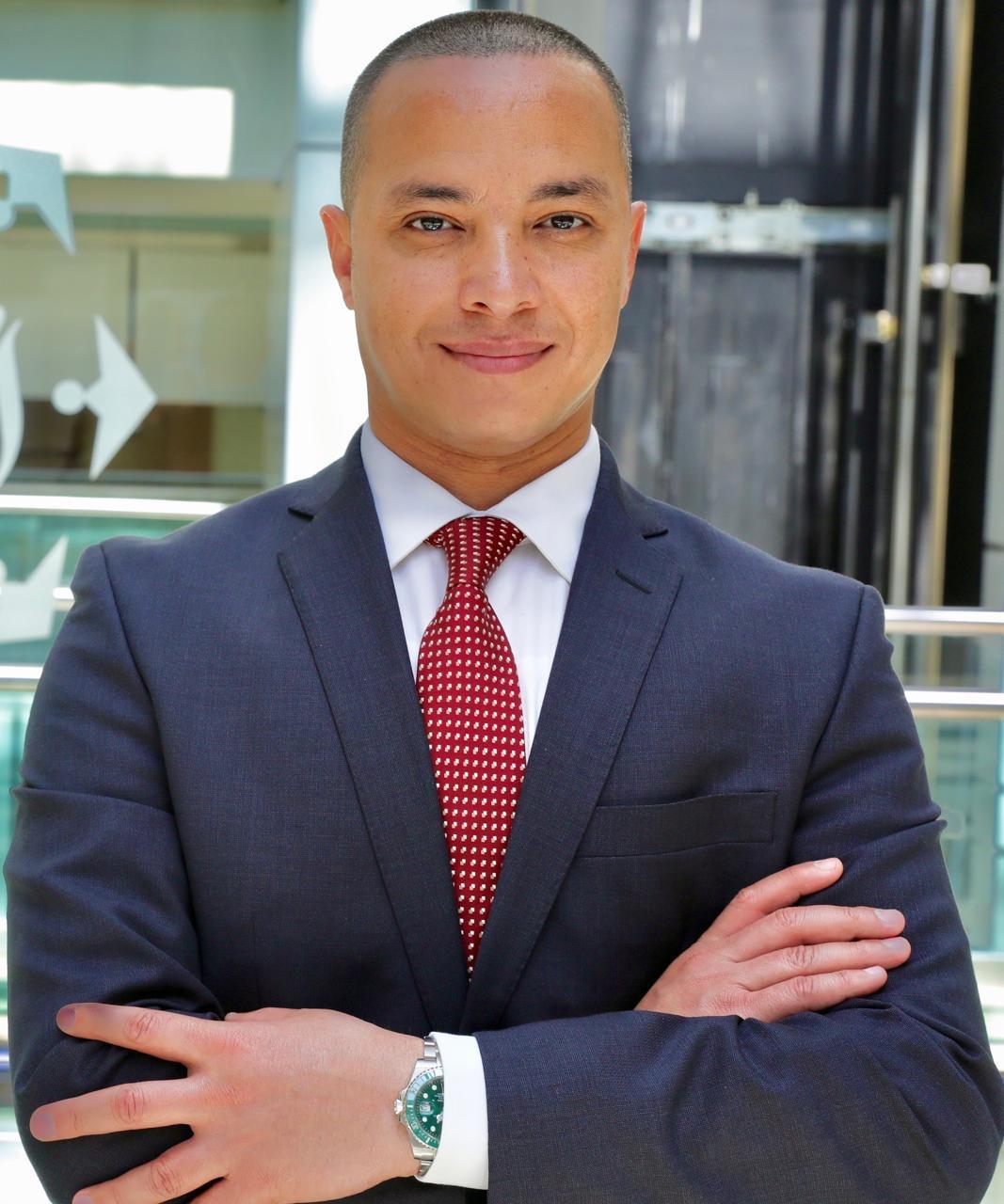
Infrastructure and efficiency featured strongly with HPE, with their end-to-end portfolio designed to support national and enterprise-scale workloads. Mohamed Wasfy, Country Manager - Egypt, Libya & Sudan, HPE, shared: “Our AI strategy is about unlocking ambition - transforming how people live and work by turning Egypt’s rich data, vibrant talent, and national digital platforms into real economic impact. As the ICT sector becomes Egypt’s fastest-growing industry, AI will further accelerate this momentum."
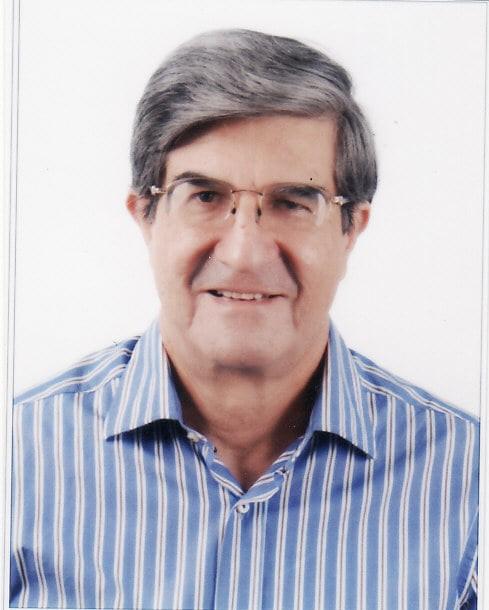
Cybersecurity and resilience were front and centre at Cyshield, which demonstrated AI-driven capabilities designed to protect mission-critical platforms. Mostafa Essa, CIO of Cyshield, highlighted the strategic importance of the event and the region, “Ai Everything MEA Egypt plays an instrumental role in Cyshield’s growth strategy. It reinforces our commitment to delivering AI solutions that empower people, enhance community experiences, and create meaningful, long-term social impact.”
Empowerment for the AI Economy
Alongside technology and policy, skills development featured throughout the day. AWS training programmes offered hands-on learning pathways across cloud services, generative AI and emerging technologies — from AWS Skill Builder to SimuLearn — supporting the talent needed to operate AI systems at scale.