Why Payment Orchestration Means Freedom — Not Just for Merchants, But for the Consumers They Serve
Wednesday 1 July 2026 12:39 - الأربعاء ١٦ محرّم ١٤٤٨
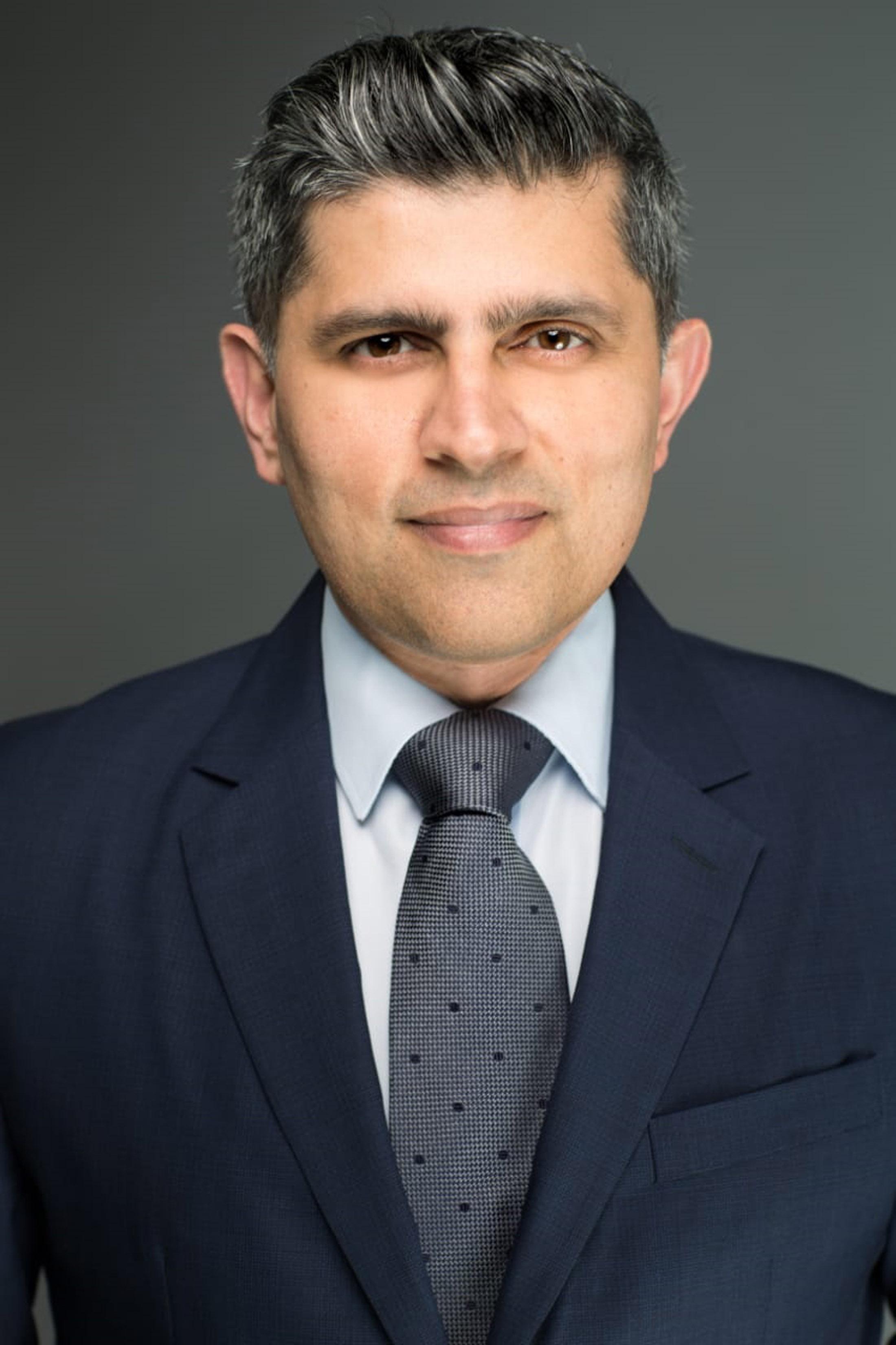
By: Pruthvish Parmar, Associate Director Business Development at Juspay
For years, payments were viewed as a back-office function: necessary, but largely invisible. Today, that mindset is obsolete. In the Middle East's rapidly evolving digital economy, the payment experience has become one of the most important determinants of whether a customer completes a purchase, returns to a brand, or abandons it altogether.
The opportunity is enormous. The MENA digital payments market is projected to grow from approximately US$248 billion in 2025 to more than US$420 billion by 2030. Yet the cost of friction at checkout remains significant. When a customer reaches the payment stage, they are not thinking about processors, gateways or acquiring banks. They are thinking about completing their purchase quickly, securely and using the payment method they prefer.
Increasingly, that preferred method depends on the situation. A customer ordering lunch may choose Apple Pay. The same customer purchasing a smartphone may prefer Tabby or Tamara. A business paying a supplier may use an instant account-to-account transfer. A shopper in Saudi Arabia may expect Mada, while a customer in Kuwait may prefer KNET. Across the UAE, the emergence of Jaywan and Aani is creating entirely new payment behaviours.
This diversity reflects a healthy digital economy. But it also highlights a growing reality: payments are becoming increasingly fragmented. Saudi Arabia's Mada now accounts for approximately 93% of card payment volume in the Kingdom. STC Pay serves more than 10 million users, while BNPL providers Tabby and Tamara have each reached around 10 million users across the GCC. In the UAE, digital wallets are expected to account for 42% of online retail payments by 2027. Meanwhile, instant-payment systems such as Aani and SARIE are rapidly gaining traction.
No single payment provider can offer best-in-class performance across every market, payment method and customer segment. For merchants, this creates a challenge. Dependence on a single PSP or acquirer can limit access to local payment methods, reduce flexibility, weaken negotiating power and expose businesses to operational risk. If a provider experiences technical issues, approval-rate declines or integration delays, merchants risk losing revenue and frustrating customers.
This is where payment orchestration becomes essential. As Juspay describes it, payment orchestration acts as the "control plane" for payments, sitting above PSPs, acquirers, payment methods and fraud solutions and enabling merchants to manage them through a single technology layer.
Through a single integration, merchants can connect multiple payment providers, local payment methods, wallets, BNPL services and alternative payment rails.
Transactions can be intelligently routed based on geography, card type, currency, cost or provider performance, helping improve authorisation rates while reducing avoidable declines. Orchestration also simplifies tokenisation, fraud management, reporting, reconciliation and compliance, while providing merchants with a unified view of payment performance across providers.
The importance of this resilience is particularly evident in the Middle East, where transaction volumes often peak at times that differ significantly from global retail norms. During Ramadan, online shopping activity remains especially strong between 10pm and 3am, with a secondary surge before Suhoor as consumers wake to prepare for the day's fast. In the lead-up to Ramadan 2026, online marketplaces, apparel brands and healthcare platforms recorded a 143% increase in transactions, creating intense pressure on payment infrastructure during non-traditional shopping hours. Merchants that cannot accommodate these peaks risk both immediate revenue loss and long-term customer attrition.
At the same time, consumer choice is fragmenting (rather than consolidating), according to the type of purchase, the device they happen to be using, their current location or, even, the time of day. Cart abandonment (uncompleted transactions) account for around 70% total attempted transactions in the Middle East, a rate that is higher than the global average. Much of this attrition is due to the merchant not providing the consumer’s preferred (or trusted) payment option, or unnecessarily complicated check-out procedures. Each represents, not just lost revenue, but less chance of a customer returning or recommending the merchant. In a region based on trusted habits and personal habit; these trends could prove fatal to a brand.
As a result, payment orchestration is emerging as one of the fastest-growing segments of the payments technology market as enterprises seek greater flexibility, resilience and control over payment performance.
Ultimately, however, payment orchestration is about more than merchant efficiency. It is about consumer freedom. When merchants have the freedom to connect to multiple providers and payment methods, consumers gain the freedom to pay how they want, when they want, and through the channel that best suits their needs.
In a region where payment innovation is accelerating at remarkable speed, that freedom is becoming one of the defining features of modern commerce.